NUTRITION FACTS & HEALTHY BENEFITS:
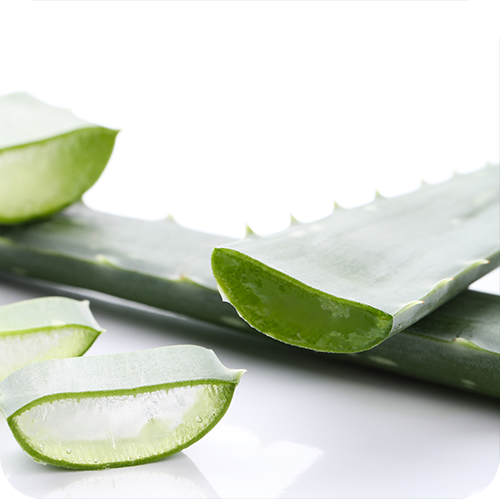
ALOE VERA PLANT
( Aloe barbadensis Miller)
Aloe vera is a millennial plant celebrated for its healing properties and numerous protective compounds, extending its benefits well beyond skincare. This succulent boasts anti-inflammatory properties thanks to its high antioxidant content, which supports overall health. It has been shown to soothe the digestive system, exhibit antimicrobial activity, regulate blood sugar levels, and enhance metabolism. Aloe Vera is consumed either as gel, which is usually applied topically, or as extract, which is used as juice and a dietary supplement.
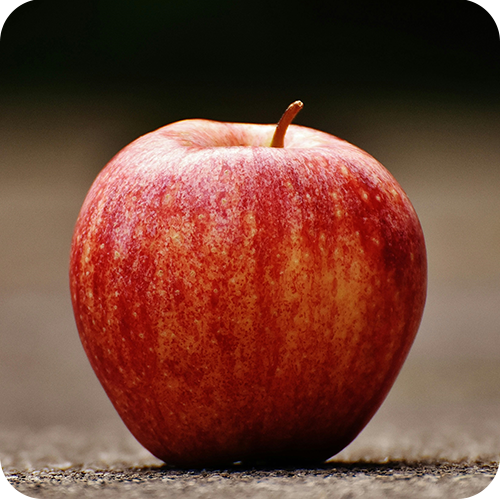
APPLE
( Malus domestica )
Apples are a concentrate of healthy antioxidants, vitamins and minerals. They are also rich in fibre, which helps prevent spikes in blood sugar after meals and better manage glucose metabolism. Their main antioxidant source include quercetin, catechin, and chlorogenic acid, which help exert anti-inflammatory, antiviral, anticancer and antidiabetic effects.
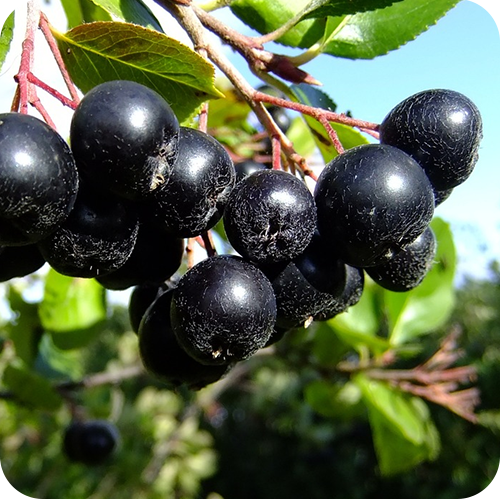
ARONIA BERRY
( Aronia melanocarpa )
Aronia is a nutrient-dense food, containing a wide range of vitamins and minerals, including zinc, manganese, iron, and vitamins C, B, and K. Aronia berries are an excellent source of beneficial antioxidants, particularly high in anthocyanins, which help protect from cellular damage and block oxidative stress. Among their many benefits, aronia berries have anti-inflammatory properties, help regulate cholesterol levels, and support immune function.
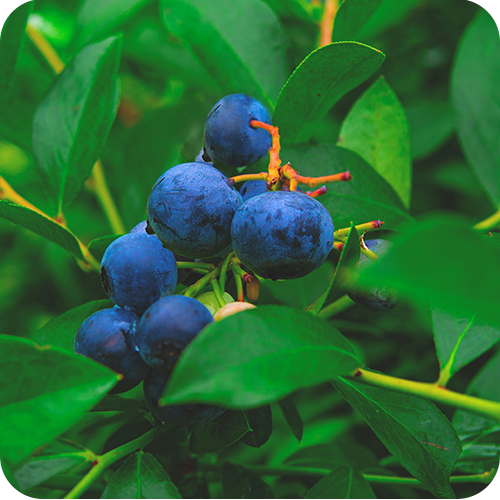
MIRTILLO NERO
( Vaccinium myrtillus L. )
Bilberries are 85% rich in water, vitamin C, E, and manganese. In addition to being a good source of dietary fibre, wild blueberries are an excellent source of antioxidants, particularly anthocyanins, about three to four times more than in cultivated blueberries.
BLACKCURRANT BERRY
( Ribes nigrum )
Blackcurrants are an abundant source of vitamins and antioxidants, including polyphenols, anthocyanins and gamma-linolenic acid (GLA). Blackcurrant seeds are a natural source of many polyunsaturated fatty acids. Seeds are best consumed in crushed or powder form. With among the highest anthocyanin contents of any berry, blackcurrants are beneficial for strengthening the immune system and raising anti-inflammatory defences.
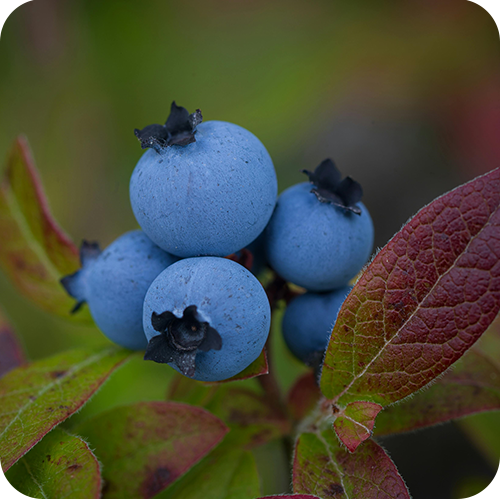
BLUEBERRY
( Vaccinium corymbosum )
Blueberries are high in carbohydrates and contain low naturally-occurring sugars and fibre. Similar to other superfruits of the berry family, they are an authentic source of several minerals, among which are iron, phosphorus, calcium, magnesium, manganese, zinc, together with vitamin C and K. They are notably packed with antioxidants, especially anthocyanins, which are responsible for their vibrant blue colour and potential health benefits.
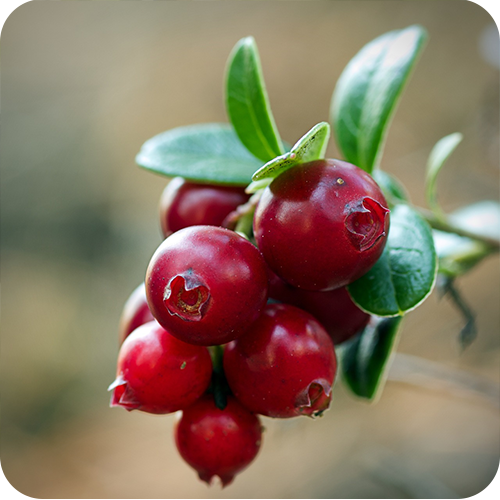
MIRTILLO ROSSO
( Vaccinium subg. oxycoccus )
Cranberries consist of roughly 90% water, with the remaining constituents mainly fibre and carbohydrates. In addition to being rich in vitamins C, E and K1, they are a good source of minerals such as manganese. Abundant polyphenol compounds, typically found in the skin, include quercetin and myricetin, as well as proanthocyanidins.
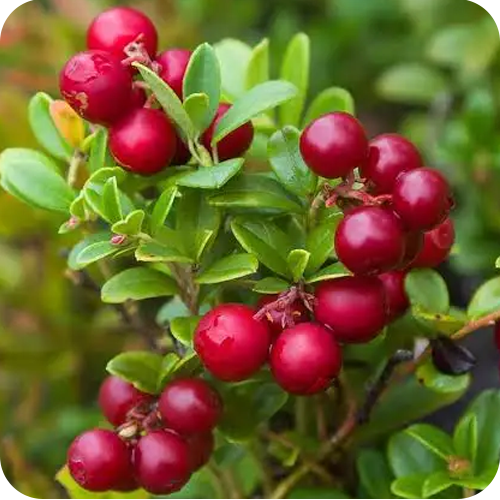
MIRTILLO ROSSO
( Euterpe oleracea )
Lingonberries are among the lowest-sugar berries available, yet are rich in many substances that offer antioxidant benefits. Therefore, manganese, vitamins C and E, anthocyanins, and quercetin all help prevent inflammation, heart disease, and other chronic disorders. Integrating lingonberries into the diet may also help manage diabetes, metabolic dysfunction, and digestive discomfort.
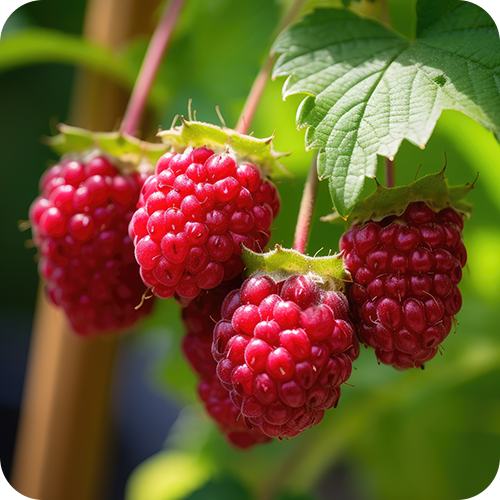
LAMPONE
( Rabus idaeus )
Raspberries boast a rich antioxidant nutritional profile, including vitamins C, A, B, B1, B2, PP, E, folic acid, manganese, phytochemicals, anthocyanins, ellagitannins, iron and magnesium. Polyphenols-rich content helps remove harmful free radicals from the body and protects the body against chronic diseases. Despite their low-calorie content, raspberries are high in fibre, which is essential for attenuating blood sugar peaks.
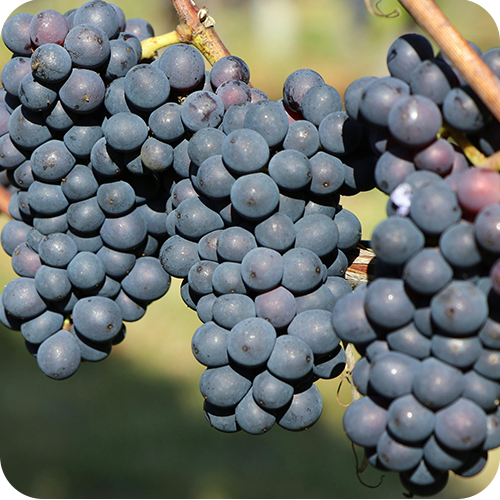

GRAPES
( Vitis vinifera )
White & Red Grapes are among the ever-present components of the notable Mediterranean triad. They are often consumed as grapes, raisins, wine and vinegar. Both types are rich in antioxidants, but they still have distinctive nutritional characteristics.
White grapes tend to be sweeter because of their higher fructose and glucose content. Another remarkable characteristic of white grapes is their high magnesium content, an essential mineral for neuromuscular activity and metabolic function.
Red grapes, however, claim a slightly higher antioxidant content, mainly in their purple skin, which harbours tannins and polyphenols like resveratrol. Resveratrol is best known for its anti-inflammatory, anti-ageing, and anticancer benefits
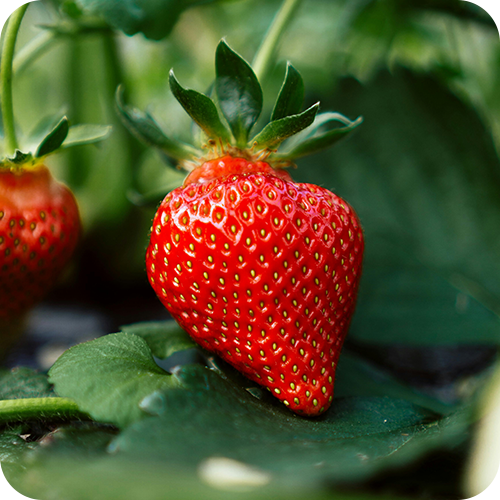
FRAGOLA
( Fragaria ananassa )
Strawberries are rich in antioxidants and are a great source of vitamin C and manganese. They’re also known to contain generous amounts of vitamin B9 (folate) and potassium. Since they mostly consist of water, strawberries have minimal carbohydrate content, which makes them a low-calorie fruit with a modest glycemic index.